The marketplace emphasized simplicity. Buyers appreciated straightforward commercial licenses that reduced uncertainty regarding business use. Unlike some competing marketplaces where licensing could become confusing, The Hungry JPEG generally offered clear permissions for products such as logos, merchandise, websites, social media graphics, invitations, and printable products. This transparency helped establish trust between creators and customers, making the platform one of the most respected names in digital design resources during its peak years.
Understanding The Hungry JPEG
What Was The Hungry JPEG?
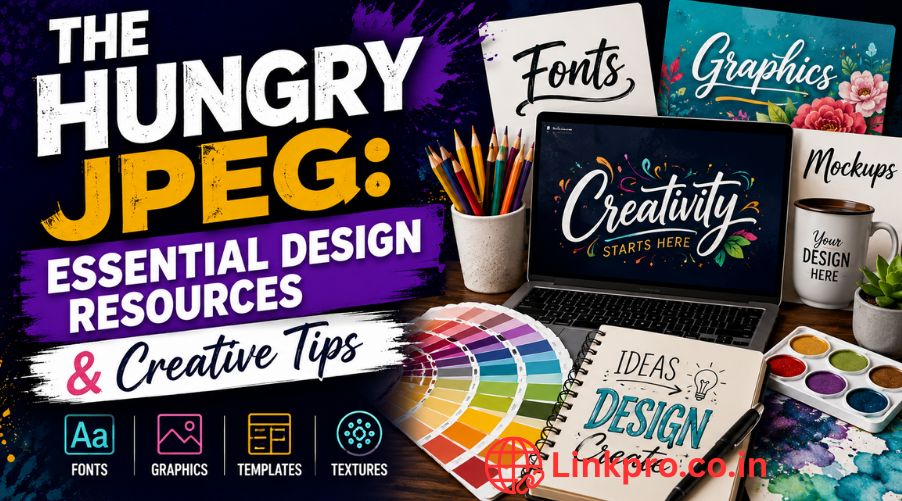
If you’ve spent time in the graphic design world over the last decade, chances are you’ve heard of The Hungry JPEG. It wasn’t just another online marketplace selling fonts and graphics—it became a favorite destination for freelancers, entrepreneurs, crafters, print-on-demand sellers, and creative agencies looking for affordable, high-quality digital assets with generous commercial licenses. Founded in 2014, the platform quickly gained popularity because it focused on helping independent designers sell their work while giving buyers access to thousands of creative resources without complicated licensing restrictions. Whether someone needed elegant script fonts for wedding invitations, watercolor floral graphics for branding, or SVG cut files for crafting machines, The Hungry JPEG offered an impressive selection at competitive prices.
Why Designers Loved the Platform
Professional designers constantly search for resources that improve productivity without sacrificing quality. The Hungry JPEG addressed exactly that need. Rather than spending hours creating every decorative element from scratch, designers could purchase carefully crafted assets and integrate them into branding packages, marketing campaigns, website projects, or product designs. Time saved on repetitive tasks meant more attention could be devoted to creativity and client satisfaction.
The Evolution of Digital Design Resources
How Creative Marketplaces Changed Graphic Design
Graphic design has evolved dramatically over the last twenty years. In the early days, professionals often created nearly every asset manually or purchased expensive software packages that included limited collections of fonts and clip art. As cloud technology, digital commerce, and independent creator platforms matured, online marketplaces transformed the creative industry. Designers suddenly had instant access to millions of assets produced by artists across the globe.
Current Status of The Hungry JPEG
The design marketplace landscape continues to evolve, and The Hungry JPEG is no longer operating as an active marketplace. Reports published after its closure indicate that operations ceased during late 2025, marking the end of more than a decade of service to the creative community. Many artists and customers subsequently migrated toward other established design marketplaces while retaining access to assets previously purchased under their original licensing agreements, subject to the platform’s published terms before closure.
Essential Design Resources Every Creative Needs
Fonts and Typography
Typography remains one of the most influential elements in visual communication. A thoughtfully selected typeface has the power to communicate elegance, authority, warmth, playfulness, or innovation before a reader processes a single word. This is precisely why font collections became one of the strongest categories on platforms like The Hungry JPEG. Designers were constantly searching for handwritten scripts, serif families, modern sans-serifs, vintage display fonts, and multilingual typefaces that could help brands establish memorable identities.
Graphics and Illustrations
While typography establishes the voice of a design, graphics and illustrations create its personality. Custom illustrations can instantly transform an ordinary project into something memorable by adding emotion, storytelling, and visual appeal. Designers today work with an enormous variety of assets, including vector illustrations, watercolor artwork, hand-drawn doodles, icons, abstract shapes, floral arrangements, textures, backgrounds, and decorative elements. These resources allow creatives to develop polished visuals without having to create every individual component from scratch.
Templates and Mockups
Templates and mockups have become indispensable tools for designers seeking to deliver high-quality work under tight deadlines. Rather than beginning every project from a blank canvas, creatives can build upon professionally structured layouts that provide a solid starting point while still allowing plenty of room for customization. Presentation templates, brochure layouts, social media designs, resume templates, business card files, packaging dielines, and website wireframes all contribute to faster and more consistent production.
Creative Tips for Better Design Projects
Choosing the Right Typography
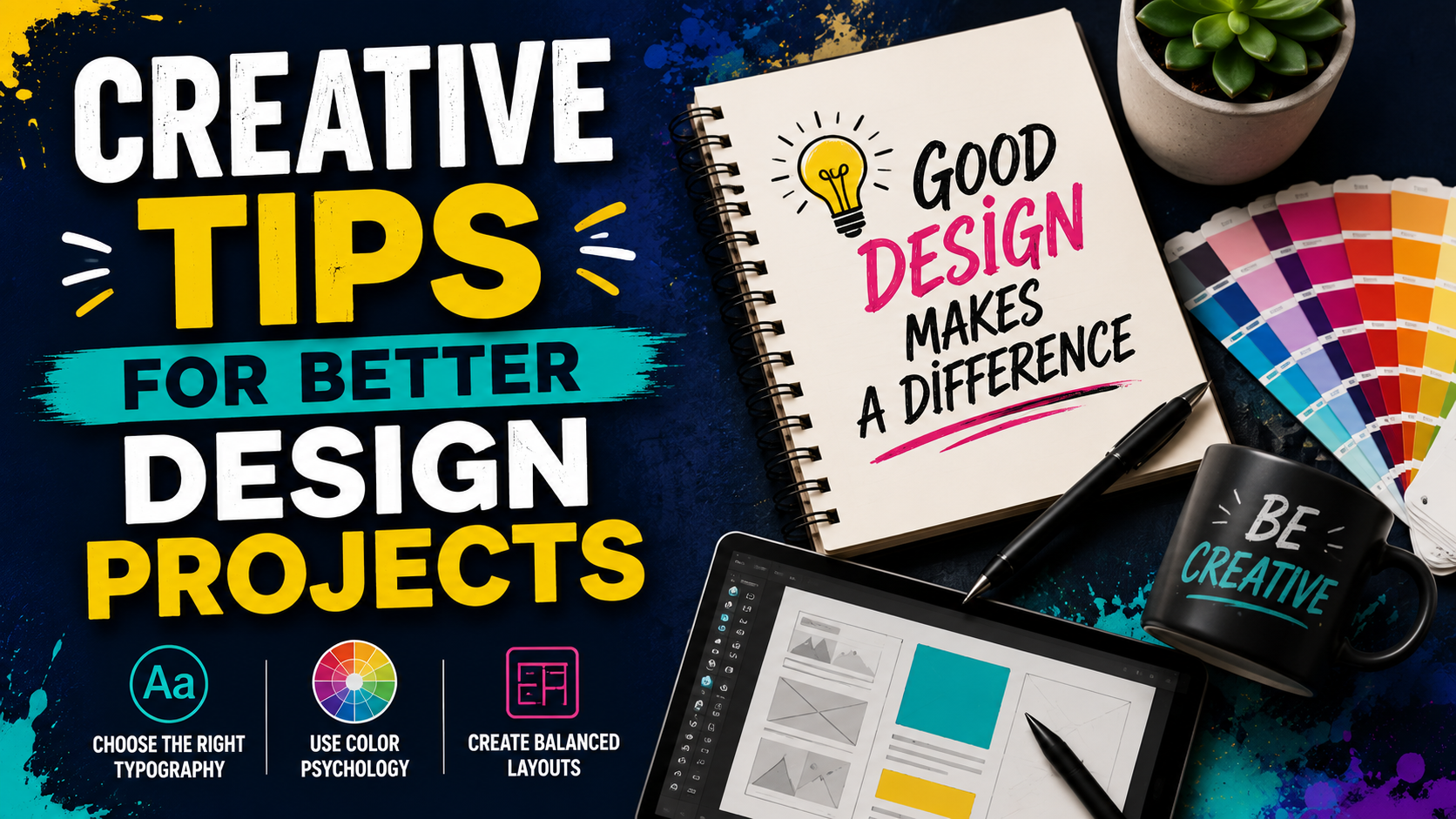
Typography influences how audiences perceive information long before they consciously process the message itself. Selecting the right typeface isn’t simply about choosing something attractive—it involves understanding the emotional response different font styles create. A luxury jewelry brand communicates sophistication through refined serif typography, while a technology startup may prefer clean geometric sans-serif fonts that suggest innovation and simplicity. Children’s brands often use playful handwritten or rounded fonts to evoke friendliness and imagination.
Using Color Psychology Effectively
Color is one of the most powerful communication tools available to designers. Before a viewer reads text or examines details, colors trigger emotional responses that influence perception almost instantly. This explains why successful brands carefully select their color palettes rather than relying solely on personal preferences. Understanding color psychology allows designers to reinforce brand messaging and create stronger emotional connections with audiences.
Creating Balanced Layouts
One of the defining characteristics of exceptional design is balance. Whether you’re designing a website, social media graphic, product package, or magazine spread, a balanced composition helps guide the viewer’s eye naturally through the content. Balance doesn’t necessarily mean every element must be perfectly symmetrical. In fact, many of today’s most engaging designs rely on asymmetrical balance, where different-sized elements work together to create visual harmony without appearing rigid or predictable.
Best Alternatives to The Hungry JPEG
Premium Design Resource Platforms
Although The Hungry JPEG is no longer operating, designers have access to numerous high-quality marketplaces that continue to support professional creative work. Each platform offers its own strengths, pricing models, licensing terms, and asset libraries.Choosing the right marketplace depends on your workflow. Freelancers who need a steady stream of assets may find subscription services more economical, while agencies working on specialized branding projects might prefer purchasing carefully curated premium collections individually.
Free Design Resource Websites
Premium resources provide exceptional quality, but designers don’t always need to spend money to produce outstanding work. Numerous websites offer free assets under generous licensing terms, making them valuable additions to any creative toolkit.
Free resources include stock photography, open-source fonts, icons, illustrations, color palette generators, and user interface components. Many independent creators generously share assets to support the broader design community, allowing beginners to develop impressive portfolios without substantial financial investment.
How to Build an Efficient Design Workflow
Organizing Design Assets
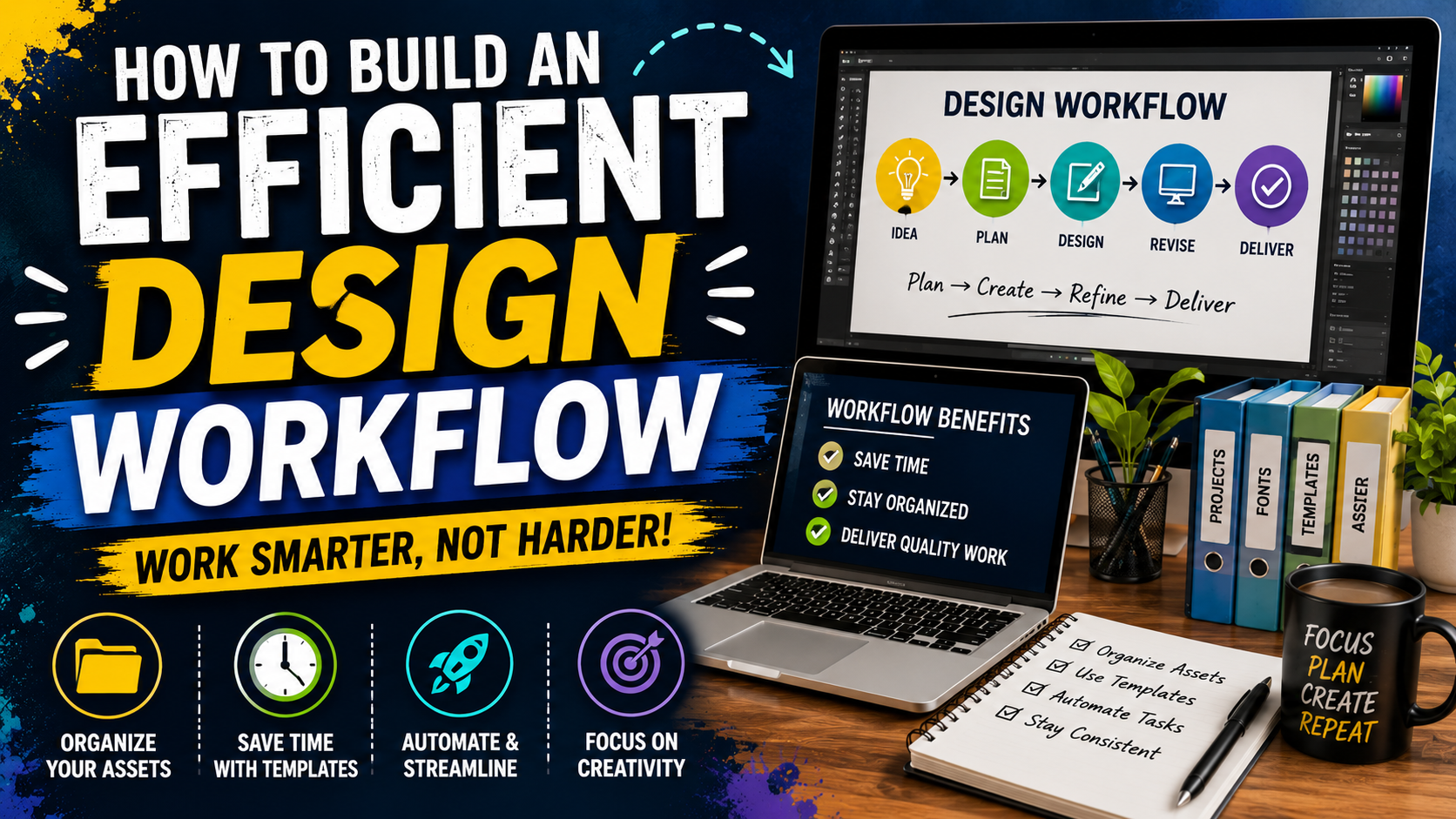
A talented designer can quickly become inefficient if digital assets are poorly organized. As collections grow to thousands of fonts, graphics, templates, textures, and photographs, searching for files can consume valuable production time. Establishing an organized asset management system from the beginning saves countless hours over the life of a creative career.
Saving Time with Templates
Templates represent one of the smartest productivity investments available to designers. Rather than replacing creativity, they eliminate repetitive technical work, allowing professionals to devote more attention to strategy, storytelling, and visual refinement.
Conclusion
Although The Hungry JPEG has become part of design history, its impact on the creative industry remains significant. It helped popularize affordable design bundles, simplified commercial licensing, and provided independent artists with a global marketplace for showcasing their talents. Thousands of freelancers, entrepreneurs, and businesses built successful projects using resources purchased through the platform.
Frequently Asked Questions