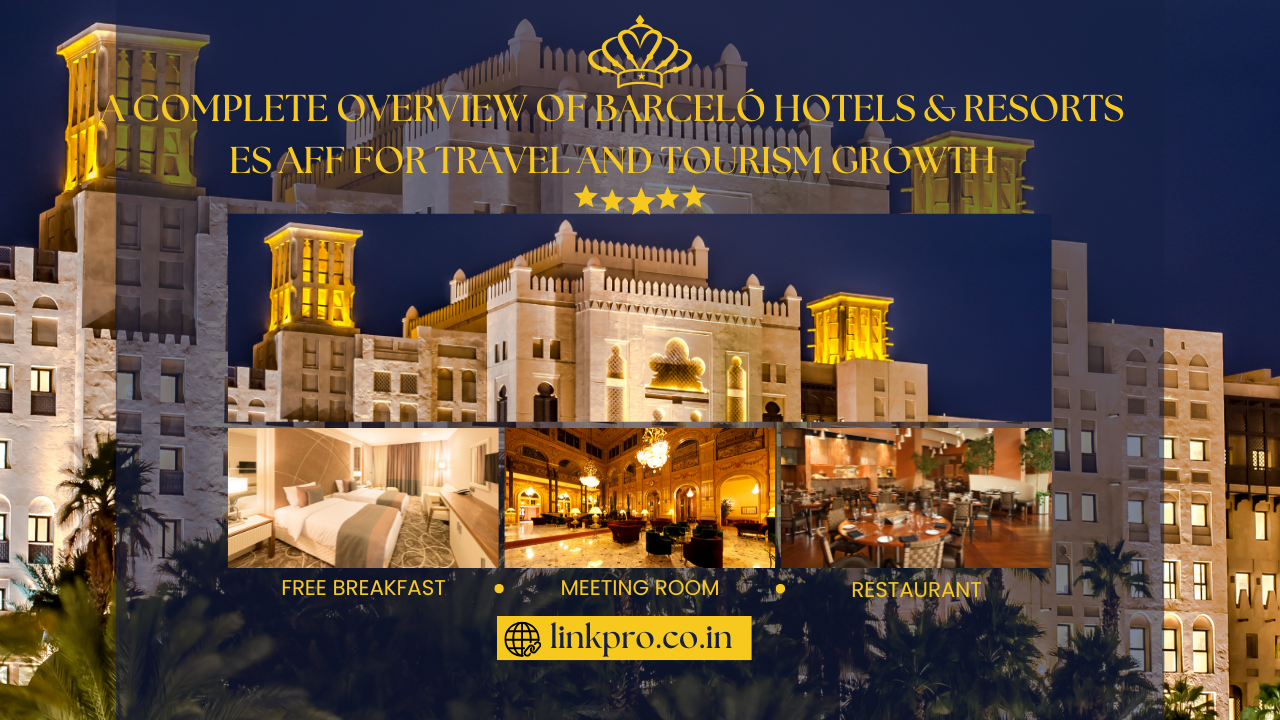
Discover a complete overview of Barceló Hotels & Resorts ES AFF, including its affiliate program, sustainability, global presence, and impact on travel and tourism growth worldwide. Learn how Barceló Hotel Group drives innovation in hospitality, supports local economies, and creates opportunities for travel affiliates and tourism businesses. Explore its luxury hotels, digital strategies, and future growth plans in this comprehensive guide.
Understanding Barceló Hotels & Resorts
History and Brand Evolution
Barceló’s journey began more than ninety years ago as a family business in Spain before gradually transforming into an internationally recognized hospitality group. Over the decades, the company expanded strategically across Europe, Latin America, the Caribbean, Africa, Asia, and North America while maintaining a reputation for quality service and operational excellence. Instead of pursuing rapid expansion at any cost, Barceló emphasized long-term investment, property upgrades, and sustainable growth, enabling the brand to remain competitive during changing travel trends.
Recent corporate reports indicate that the company continues investing aggressively in modernization and expansion. Industry reporting notes annual investment plans approaching €500 million, focused on acquiring strategic assets, renovating existing hotels, and strengthening premium hospitality offerings. These investments support revenue growth while improving guest experiences through upgraded facilities, digital technologies, and environmentally responsible operations.
Global Presence and Market Reach
One of Barceló’s greatest strengths lies in its impressive international footprint. The group serves travelers across Europe, the Americas, Africa, the Middle East, and Asia, offering urban hotels, beach resorts, golf properties, wellness destinations, and all-inclusive vacation experiences. Its widespread presence enables travelers to enjoy consistent service standards while experiencing the unique character of each destination.
Feature | Current Position |
Countries | 30 |
Hotels | 299 |
Rooms | 65,000+ |
Main Brands | Barceló, Royal Hideaway, Occidental, Allegro |
Core Markets | Spain, Mexico, Dominican Republic, Europe, Caribbean |
The group’s international expansion also benefits local tourism economies by generating employment, supporting suppliers, collaborating with destination management organizations, and attracting international visitors. Recent management reports highlight Spain, Mexico, and the Dominican Republic among the destinations delivering particularly strong economic contributions through Barceló’s operations.
What Does Barceló Hotels & Resorts ES AFF Mean?
Understanding the ES Market
The abbreviation ES AFF is commonly associated with Spain-focused affiliate marketing programs that allow publishers, travel bloggers, tourism websites, and digital marketers to promote Barceló hotel bookings. These affiliate programs typically operate through established affiliate networks, enabling partners to earn commissions when users complete eligible reservations after clicking tracked referral links.
Affiliate and Partnership Ecosystem
Affiliate marketing has become an increasingly important channel within the tourism industry because travelers now rely heavily on online reviews, destination guides, comparison websites, and influencer recommendations before making booking decisions. Rather than investing exclusively in traditional advertising, hotel brands increasingly reward trusted publishers who help convert interested travelers into paying guests.
Barceló's Hospitality Portfolio
Luxury Properties
Luxury travelers increasingly seek experiences rather than simply premium rooms, and Barceló has responded by expanding its collection of upscale hotels under brands such as Royal Hideaway Luxury Hotels & Resorts. These properties focus on personalized service, wellness, gourmet dining, spa experiences, and exclusive locations. Many luxury resorts are situated on pristine beaches, historic city centers, or nature-rich destinations that offer guests unforgettable surroundings.
Resort Experiences
These resorts combine accommodation, dining, entertainment, recreational activities, children’s programs, and wellness services into a single package that appeals to families and vacationers seeking convenience and value.
Modern travelers increasingly appreciate flexible vacation experiences where most expenses are included upfront. Barceló has adapted by integrating digital check-in, mobile services, personalized recommendations, and activity booking systems that simplify the guest journey. Resorts also collaborate with local excursion providers, allowing guests to explore nearby cultural sites, natural attractions, and adventure activities while contributing directly to local tourism businesses.
Business and Urban Hotels
Business hotels contribute to tourism growth by supporting conferences, exhibitions, trade fairs, and corporate events that generate substantial visitor spending throughout local economies. Hotels frequently partner with airlines, convention centers, transportation companies, and event organizers to provide integrated travel experiences. This collaborative approach strengthens destination competitiveness while encouraging repeat business travel and extended leisure stays.
Digital Innovation Driving Tourism Growth
Online Booking Technologies
The official Barceló website emphasizes direct booking through an intuitive interface that supports multiple languages, currencies, promotional campaigns, and flexible payment methods. Direct booking incentives such as exclusive discounts, loyalty rewards, and member-only offers encourage customers to reserve through the company’s digital ecosystem rather than relying solely on third-party travel agencies.
Loyalty Programs and Personalization
Loyalty has become increasingly valuable in the competitive hospitality sector. Barceló Rewards provides members with exclusive pricing, special promotions, room upgrades where available, and other benefits that encourage repeat visits. Beyond financial incentives, loyalty programs generate valuable customer insights that help the company better understand guest preferences and improve service delivery.
Economic Contribution to Tourism
Employment Generation
Hotels create direct and indirect employment opportunities that contribute significantly to regional development. Staff members receive training in customer service, hospitality management, culinary arts, housekeeping, engineering, and digital operations, building valuable long-term career skills. International hotel groups also provide opportunities for employee mobility across countries, encouraging professional growth and knowledge exchange.
Local Business Partnerships
Barceló frequently collaborates with local suppliers, artisans, tour operators, and cultural organizations to enrich guest experiences while supporting regional economies. Restaurants source locally produced ingredients, gift shops showcase regional crafts, and excursion providers introduce visitors to nearby attractions and traditions.
Sustainability and Responsible Tourism
Environmental Initiatives
Community Development
Successful tourism depends on healthy local communities. Barceló supports community development through employment opportunities, training programs, supplier partnerships, and social initiatives that create lasting value beyond hotel operations. Educational collaborations, charitable activities, and support for local cultural events help reinforce positive relationships between hotels and the destinations in which they operate.
Community engagement also improves the visitor experience. Travelers often seek authentic cultural encounters, local cuisine, traditional festivals, and regional craftsmanship. By fostering these connections, Barceló helps preserve cultural identity while encouraging responsible economic development that benefits residents and visitors alike.
Affiliate Marketing Opportunities
Benefits for Travel Bloggers
Travel bloggers and digital creators can diversify their revenue through hotel affiliate programs while producing valuable destination content. Comprehensive hotel reviews, itinerary guides, seasonal travel recommendations, and family vacation planning articles naturally integrate affiliate links without disrupting the reader experience. Because travel decisions often involve significant research, informative content has the potential to generate consistent referral traffic over time.
Benefits for Tourism Businesses
Travel agencies, destination marketing organizations, comparison websites, and tourism portals can also leverage affiliate partnerships to complement existing services. Integrating Barceló accommodation options alongside transportation, activities, and travel insurance creates comprehensive booking experiences that benefit customers and generate additional revenue streams.
Future Outlook for Barceló Hotels & Resorts
Expansion Strategy
Growth opportunities remain strong across established leisure markets and emerging destinations. Barceló is expected to continue expanding through acquisitions, management agreements, and selective new developments while upgrading existing properties to meet evolving customer expectations. Strategic investments in high-demand tourism regions can strengthen the group’s international presence while supporting local employment and economic development.
Technology and Emerging Trends
Emerging technologies will continue reshaping hospitality over the coming decade. Artificial intelligence can improve customer support, personalize recommendations, optimize pricing, and streamline operational processes. Mobile applications may further simplify check-in, room access, concierge services, and activity reservations, enhancing convenience for guests.
At the same time, travelers increasingly value authenticity, wellness, sustainability, and meaningful cultural experiences. Hotels that successfully combine advanced technology with memorable human interactions will likely enjoy stronger guest loyalty and positive brand perception. Barceló’s ongoing investments in these areas position it to remain competitive in an increasingly dynamic tourism landscape.
Conclusion
Barceló Hotels & Resorts has evolved from a family-owned Spanish travel business into one of the world’s leading hospitality groups by combining quality service, strategic expansion, digital innovation, and responsible tourism practices. Its diverse portfolio of luxury hotels, resorts, and urban properties enables the company to serve a wide range of travelers while supporting local economies through employment, supplier partnerships, and destination development.
Frequently Asked Questions