Designmodo Startup Framework: Building Your Startup Foundation is a practical guide for entrepreneurs who want to build startups the right way from day one. This blog post explains how the Designmodo Startup Framework helps founders validate ideas, define target users, plan MVPs, and use design-first thinking to create scalable, user-focused products with a strong foundation for long-term growth.
Introduction to the Designmodo Startup Framework
Building a startup feels a lot like constructing a house without a blueprint. You may have passion, tools, and a dream—but without structure, things collapse fast. That’s where the Designmodo Startup Framework comes in. It’s not just another startup theory. It’s a practical, design-first roadmap that helps founders build strong foundations before scaling up.
Why startup frameworks matter
Frameworks save you from chaos. They reduce guesswork, align teams, and turn random actions into intentional progress. Instead of reacting to problems, you anticipate them.
What makes Designmodo’s approach unique
Unlike traditional business-heavy frameworks, Designmodo puts design, usability, and user experience at the center. The idea is simple: if users love your product, growth becomes easier.
Understanding Designmodo as a Startup Ecosystem
Designmodo started as a design-focused platform and evolved into a broader startup-support ecosystem. The Startup Framework reflects years of experience building tools for real users.
From design tools to startup guidance
Designmodo didn’t jump into theory first. They built products, tested ideas, failed, learned, and refined. The framework is grounded in that real-world learning.
Who should use the Designmodo Startup Framework
- Early-stage founders
- SaaS builders
- No-code entrepreneurs
- Designers turning founders
If you want clarity before coding, this framework fits perfectly
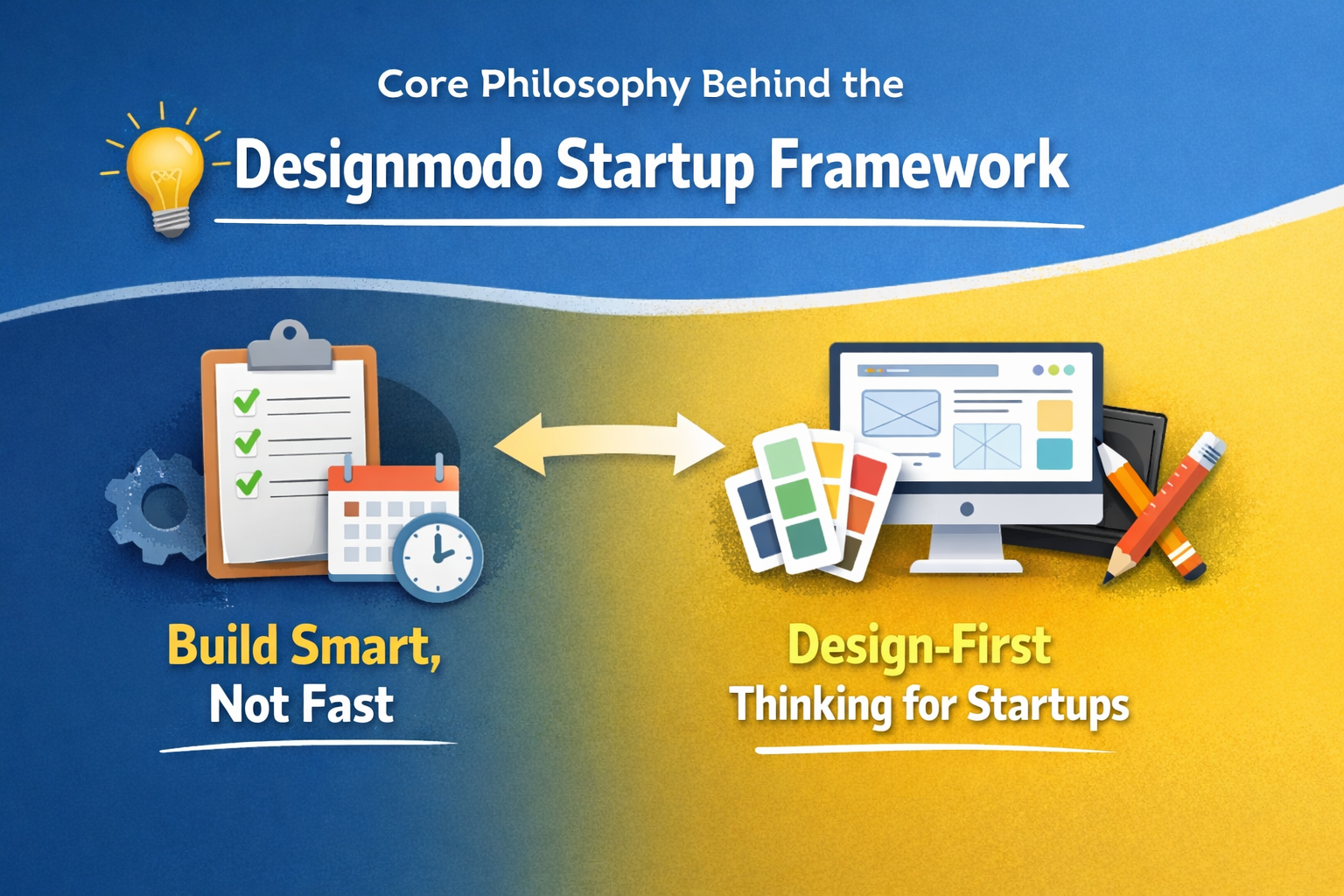
Core Philosophy Behind the Designmodo Startup Framework
At its heart, the framework believes one thing: great startups are designed, not rushed.
Build smart, not fast
Speed without direction leads nowhere. The framework encourages thoughtful progress instead of blind execution.
Design-first thinking for startups
Design is not decoration. It’s problem-solving. Every decision—from features to flows—is rooted in user experience.
Step 1 – Idea Validation
Before writing a single line of code, validation comes first.
Identifying real-world problems
Great startups solve painful problems. The framework pushes founders to talk to users early.
Market pain points vs assumptions
If you’re guessing what users want, you’re already at risk. Validation replaces assumptions with evidence.
Step 2 – Defining Your Target Audience
You can’t design for everyone.
Creating clear user personas
Designmodo emphasizes deep user personas—goals, frustrations, behaviors.
Avoiding the “everyone is my user” trap
When you target everyone, you convert no one. Focus sharpens growth.
Step 3 – Product Strategy and MVP Planning
This is where ideas turn into something tangible.
What to include in your MVP
Only core features. Nothing more. The framework treats MVP like a test, not a final product.
Feature prioritization using lean thinking
Every feature must justify its existence. If it doesn’t solve a key problem, it waits.
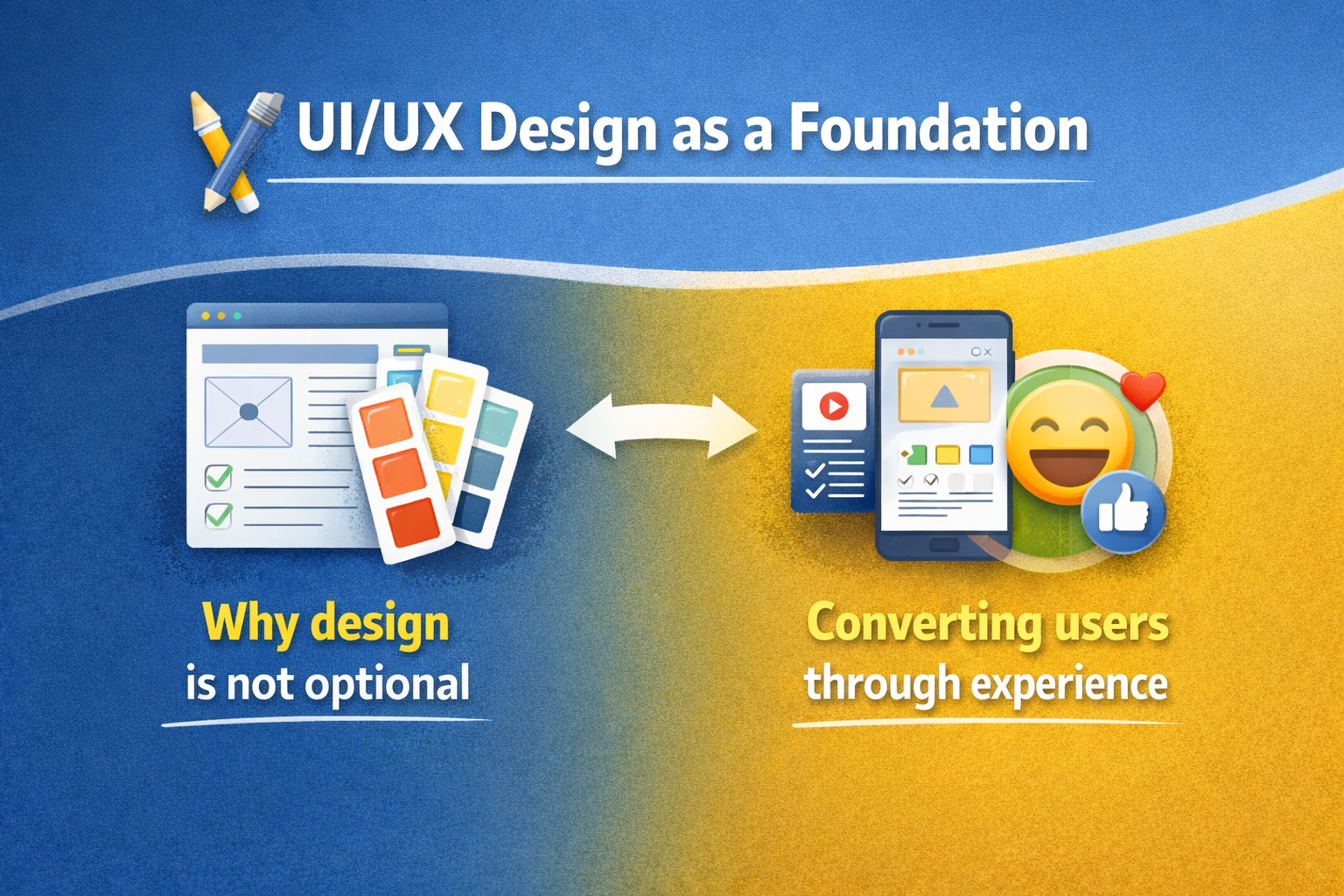
Step 4 – UI/UX Design as a Foundation
Designmodo places this step before heavy development for a reason.
Why design is not optional
Bad design kills good ideas. Good design amplifies average ideas.
Converting users through experience
A smooth interface builds trust faster than marketing ever could.
Step 5 – Branding and Visual Identity
Branding is how users remember you.
Building trust with consistent branding
Colors, typography, tone—everything should feel intentional.
Designmodo’s design system mindset
Reusable components and systems keep products scalable and consistent.
Step 6 – Development and No-Code Readiness
Bridging designers and developers
Clear design reduces dev friction. Everyone speaks the same visual language.
Tools-first execution
Whether code or no-code, the framework supports flexibility without chaos.
Step 7 – Launch Strategy
Launching isn’t a one-day event.
Soft launch vs public launch
Early launches gather feedback quietly before big exposure.
Feedback loops from day one
User feedback becomes your compass for iteration.
Step 8 – Growth and Iteration
Growth isn’t magic—it’s refinement.
Data-driven improvements
Metrics guide decisions, not ego.
Design-led optimization
Small design tweaks can unlock massive conversion gains.
Step 9 – Scaling the Startup Foundation
Scaling too early breaks startups.
Preparing systems for growth
Design, code, and workflows must scale together.
Avoiding technical and design debt
Shortcuts today become problems tomorrow. The framework helps avoid that.
Common Mistakes Startups Make Without a Framework
Skipping validation
This leads to building products nobody wants.
Overbuilding too early
More features don’t equal more value.
How Designmodo Startup Framework Reduces Risk
Structured clarity
You always know what to do next.
Faster decision-making
Clear steps reduce hesitation and confusion.
Designmodo Framework vs Traditional Startup Models
Agile vs rigid planning
Visual-first vs code-first
You see the product before building it.
Who Benefits Most from the Designmodo Startup Framework
Solo founders
Clear structure without needing a big team.
Design-driven teams
Perfect for teams that value UX as strategy.
Conclusion
The Designmodo Startup Framework isn’t about shortcuts. It’s about building startups the right way—step by step, user-first, and design-led. Think of it as laying solid bricks before adding floors. When the foundation is strong, growth becomes natural.
Frequently Asked Questions